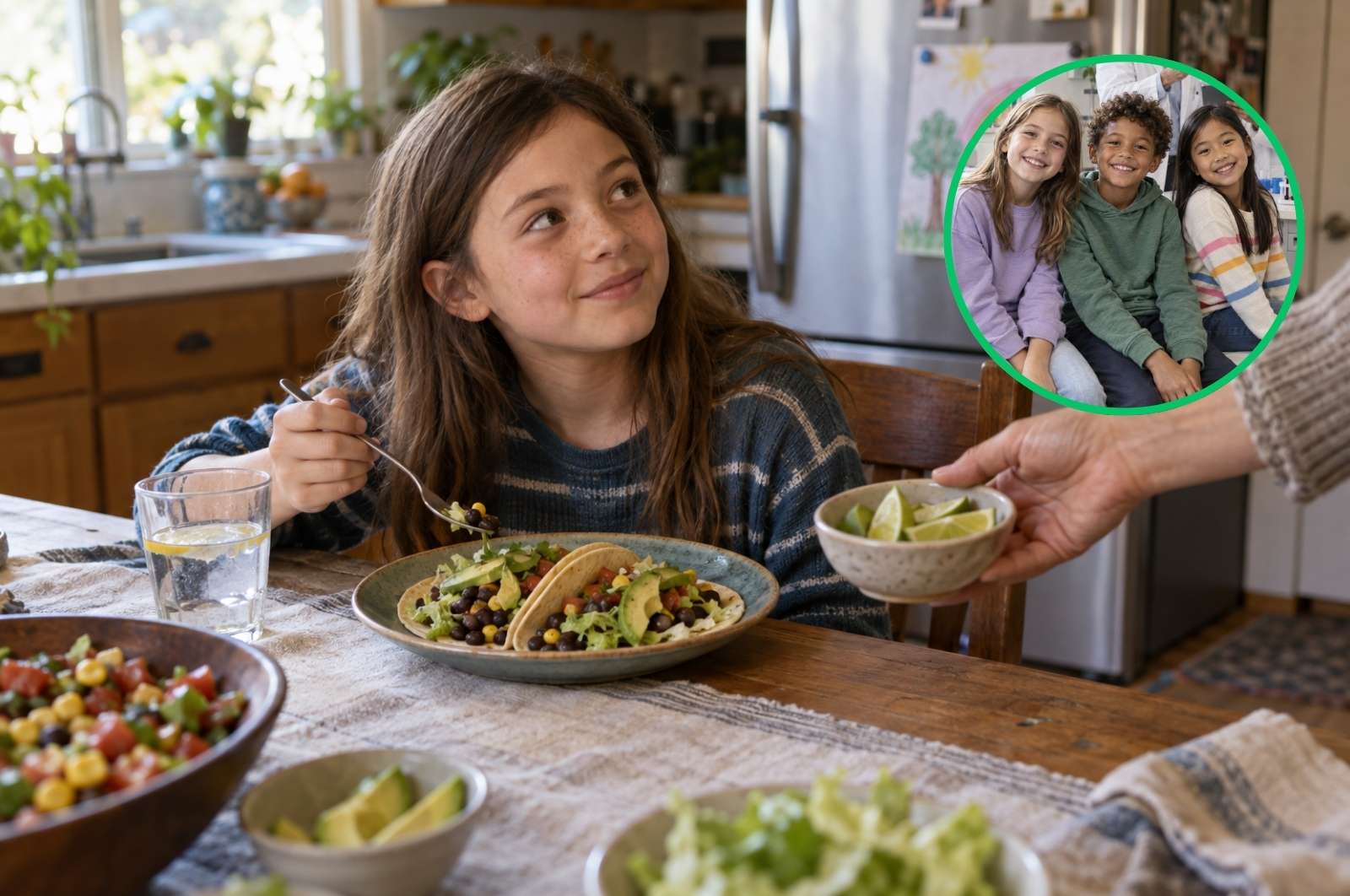

Swapping One Beef Dinner a Week for Beans Cuts More Carbon Than a Round-Trip Transatlantic Flight
The math on one weekly meal swap, using the largest food footprint dataset ever assembled, lands somewhere most people are not expecting.

Compared side by side on fibre, protein per dollar, polyphenols, and resistant starch, four common beans are not close to equal. One of them keeps pulling ahead.
Cardiologists and dietitians tend to agree on one thing about beans.
Eating them daily is one of the highest-leverage food swaps in a Western diet.
What they do not always agree on is which bean.
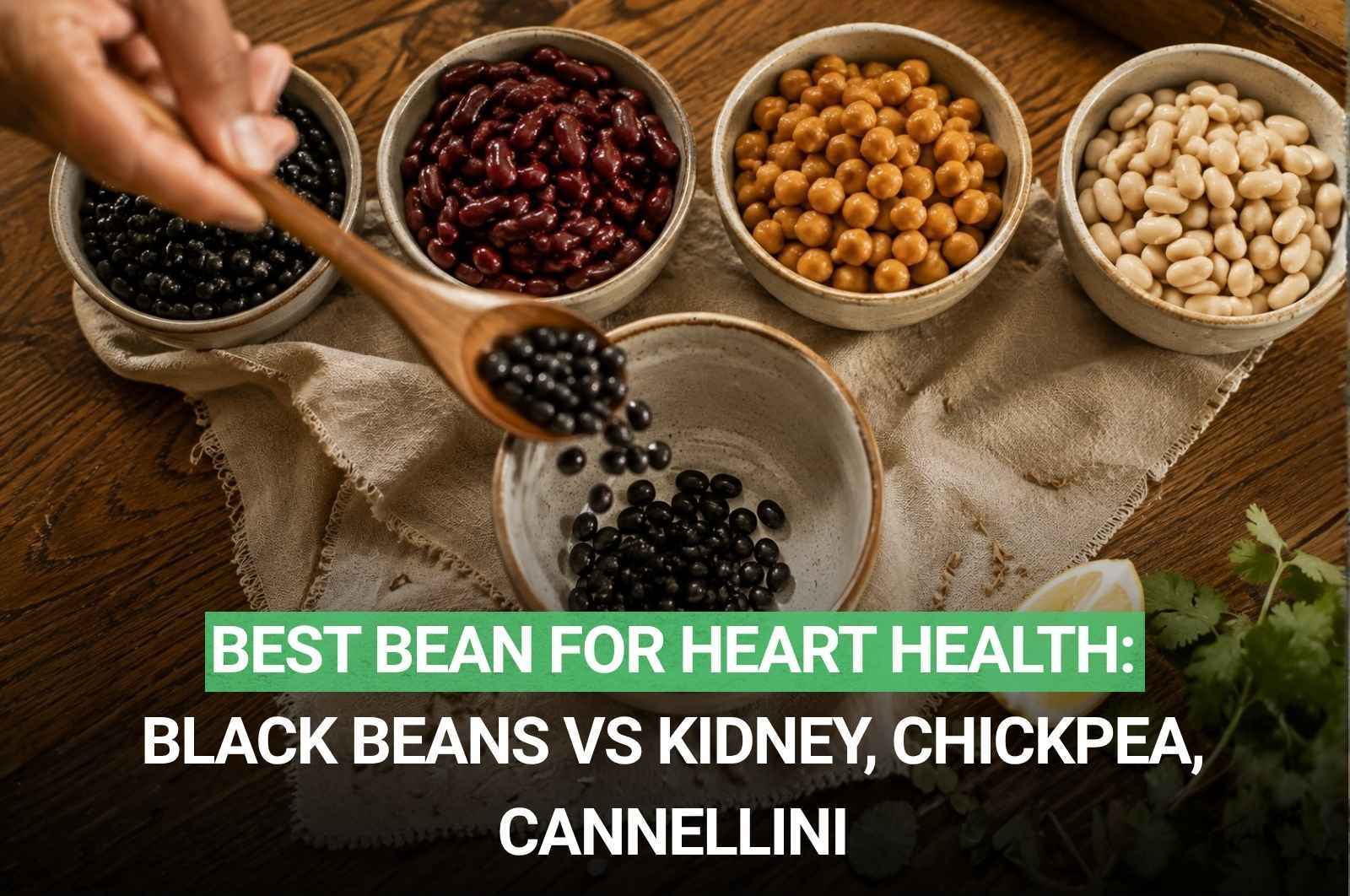
When we put the four that show up most often in American kitchens (black, kidney, chickpea, cannellini) next to each other on the metrics cardiologists actually watch, one keeps pulling ahead.
It is worth understanding why, because the winner is also the cheapest.
Cardiologists who take diet seriously tend to look at a bean on four axes.
On all four, the four common beans are further apart than most people assume.
Per one cup cooked, working from USDA reference values:
Black beans. Around 15 grams of fibre, 15 grams of protein, roughly 20 percent resistant starch, and the highest anthocyanin content of the four by a wide margin.
The dark colour is doing real work. Black beans deliver comparable antioxidant capacity per gram to cranberries and grapes.
Kidney beans. Around 13 grams of fibre, 15 grams of protein, high in resistant starch, and second in polyphenol content thanks to their red skin.
Strong all-round performer.
The catch is that raw kidney beans are toxic if under-cooked, which puts them in the canned-only category for most home kitchens.
Chickpeas. Around 12 grams of fibre, 14 grams of protein, moderate resistant starch, low polyphenol content. Genuinely useful bean, but the pale colour is a giveaway.
It does not carry the anthocyanin load.
Cannellini beans. Around 11 grams of fibre, 15 grams of protein, moderate resistant starch, low polyphenol content.
Excellent culinary bean, especially for creamy purees and stews. Not the strongest on paper.
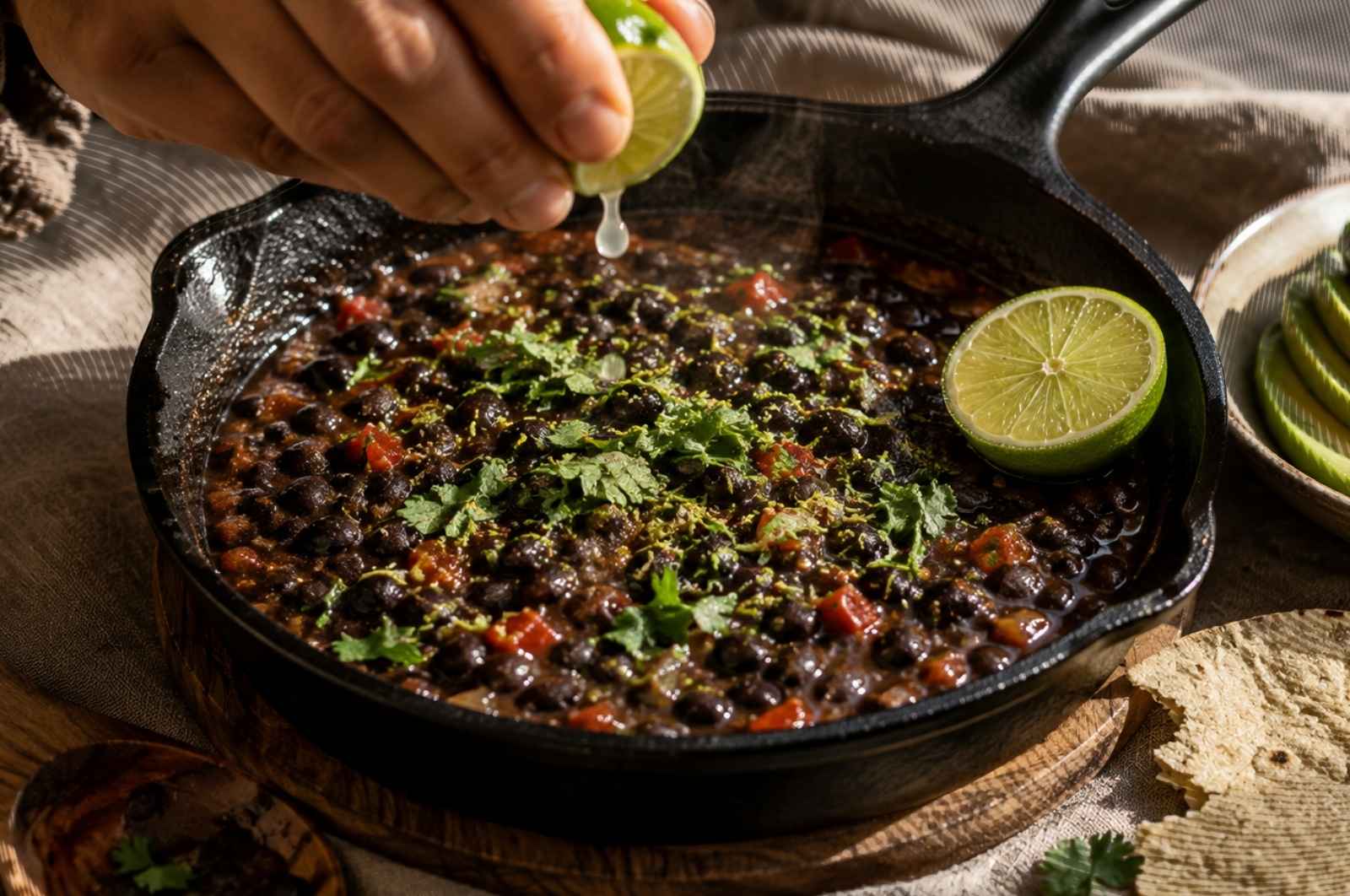
Dried black beans are, at time of writing, the cheapest complete-nutrition food per gram of protein in an average American supermarket. Dried chickpeas are close but usually run a little higher.
Canned kidney beans and canned cannellini are more expensive again.
That matters. A therapeutic food is only therapeutic if we actually eat it.
Beans that require a special trip or a special recipe stay in the pantry.
Beans that cost under a dollar per pound cooked, and require nothing more than an overnight soak and a simmer, end up in the weekly rotation.
This is the whole reason cardiologists focused on prevention keep coming back to the same food. It performs on the lab work and on the receipt.
A daily serving of beans, roughly one cup cooked, has been linked in multiple cohort studies to meaningfully lower LDL cholesterol, lower blood pressure, and lower risk of type 2 diabetes.
The Nicoya Peninsula centenarians, one of the Blue Zone populations, eat black beans essentially every day. It is the most consistent single food across all five Blue Zones.
The three mechanisms working together look like this.
Soluble fibre binds bile acids in the gut and forces the liver to pull cholesterol from the blood to make more.
Anthocyanins keep the endothelium (the inner lining of blood vessels) supple.
Resistant starch feeds the bacteria that produce short-chain fatty acids, which quietly improve insulin sensitivity across the whole system.
None of the three requires a supplement. All three come standard in a cup of cooked black beans.
The point of the piece is not to persuade anyone to add a single serving.
It is to make daily beans easy. This one takes twelve minutes.
The whole thing is about four dollars for two generous servings.
Roughly 15 grams of fibre and 20 grams of protein per plate.
This is not an argument against chickpeas.
They are a genuinely good bean. Higher in some minerals, more versatile in Mediterranean cooking, and the main input for the single most-purchased vegan spread on earth.
If we had to eat only one bean for the rest of our lives, though, the polyphenol gap decides it.
The black bean carries something the chickpea cannot.
That is not a taste opinion.
It is a colour compound.
The best bean for the heart is the cheapest bean in the supermarket.
That is a rare piece of good news in a nutrition landscape usually crowded with expensive superfoods.
A cup of black beans a day, plus everything else already on a plant-based plate, is a small change that lands directly on the metrics cardiologists watch closely.
It also costs less than most cups of coffee.
If we ever needed a case for keeping a bag of dried black beans on the counter, this is it. Our 7-day vegan meal plan builds a bean serving into every day, so daily-bean habit is not a project.
It is just what dinner is.
Grocery list included!
No spam. Cancel anytime.