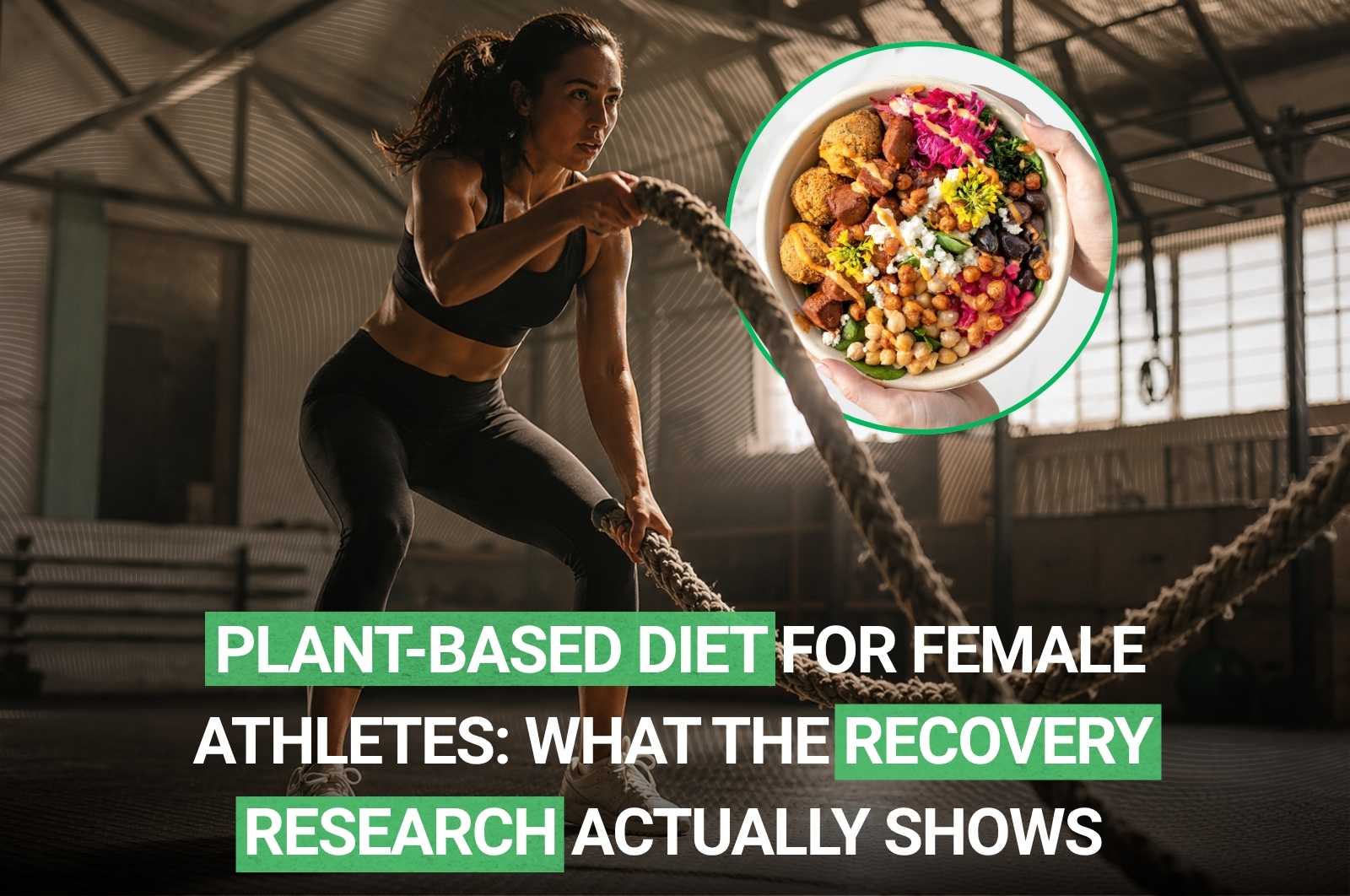
The men on plant-based diets have been in the headlines for a decade. It is the women whose bloodwork is starting to make the sports science community pay closer attention.
The vegan athlete story in the American press has, for a decade, mostly been a male story.
Scott Jurek and ultra-running.
Tom Brady and the flexible version.
Novak Djokovic and his gluten-and-dairy-free reset.
The women eating this way have been quieter. Not fewer. Quieter.
What is changing in 2026 is that the sports science community is starting to look at what they have in common, and the answer is more specific than any general vegan-is-good headline.
Who Is Actually On This Diet
Serena and Venus Williams have both been public about the plant-based shifts that reshaped their careers.
Venus started in 2011 after her Sjögren’s syndrome diagnosis, and has stayed on some version of it since.
Serena moved with her, describing herself in interviews as mostly plant-based, especially in season.
Meagan Duhamel, the Canadian pairs figure skater and two-time world champion, has been vegan for over a decade and often credits it with the recovery she needed to compete into her thirties
Dotsie Bausch, Olympic silver medallist cyclist, went plant-based mid-career and now runs an athlete advocacy organisation for the diet.
Ultra-runner Fiona Oakes holds multiple world records on a vegan diet.
Formula One team principal Susie Wolff has moved her own eating in the same direction.
A pattern is quietly forming across sports.
Endurance disciplines are furthest along, but combat sports, tennis, cycling, and figure skating are close behind.
The interesting question is not whether more women are eating this way.
It is what they consistently report changing in their bodies when they do.
Plant-based diets do not harm athletic performance.
In some cases, they may positively affect it, most consistently through two mechanisms.
Improved blood flow. Reduced oxidative stress.
That is a very different claim from the general it-is-healthier line.
It points at recovery specifically. Not the workout itself. What happens in the twelve hours after.
The Recovery Mechanism, Explained Plainly
Every hard training session produces oxidative stress.
That is not a bad thing. It is the actual signal the body reads to adapt and get stronger.
The problem is when the signal never fully clears before the next session.
That is the state athletes describe when they say a training block stopped landing.
The metric behind it is chronic elevated oxidative markers, which show up as blunted recovery, higher resting heart rate, sleep that no longer restores, and small nagging injuries that will not resolve.
Plant-based diets carry an unusually high load of antioxidants and polyphenols per calorie.
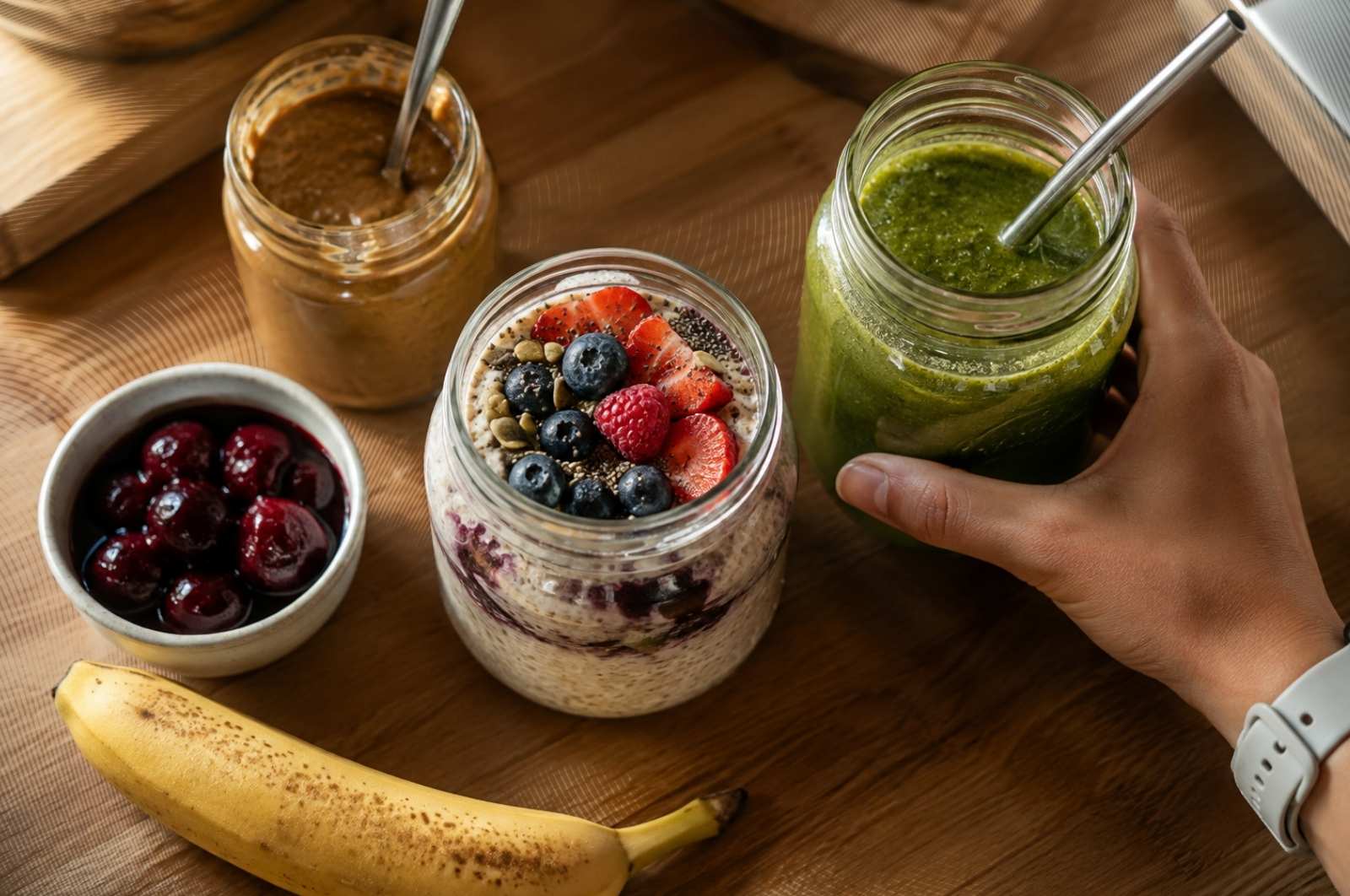
Berries, dark leafy greens, beetroot, tart cherries, and cacao are the standard training-week staples.
In practice, that means the body clears each session’s oxidative load faster and starts the next one closer to baseline.
The blood flow side is the second half of the same story.
Nitrate-rich vegetables (beetroot, spinach, arugula, kale) convert to nitric oxide, which dilates blood vessels.
More oxygen to working muscle. Faster clearance of the metabolic waste products from the previous effort.
None of this is speculative. It is well-established sports nutrition.
What is newer is the recognition that the whole-food plant-based diet delivers all of it as a default, without needing supplements bolted on top.
Why Female Athletes May Notice It More
Female physiology is unusually sensitive to two things a plant-forward diet tends to correct.
The first is iron.
Female athletes lose iron every month, and endurance training compounds it.
A diet high in leafy greens, legumes, seeds, and dried fruit, paired with vitamin C at meals, delivers plenty of non-heme iron.
The old worry that plant-based diets cannot support iron needs in female athletes has been largely resolved by more recent research, so long as intake is deliberate and paired properly.
The second is inflammation.
Autoimmune conditions, hormonal shifts across the cycle, and menopause all respond to dietary inflammation in ways male athletes typically do not experience to the same degree.
Venus Williams’ Sjögren’s is the most public case.
There are many quieter ones. A diet built around whole plants tends to bring inflammatory markers down.
That is not a claim that plant-based eating cures autoimmune disease. It is a claim that female athletes on plant-based diets consistently report the same two shifts, less inflammation and faster recovery, and that the mechanisms behind both are well understood.
Practical Notes for Anyone Watching This
The pattern in the elite female athlete world is worth taking seriously for anyone training seriously, at any level. A few translations from the review to a normal training week:
A cup of tart cherries or a glass of unsweetened tart cherry juice after hard sessions. One of the few post-workout foods with real evidence behind it for reducing muscle soreness.
A regular beetroot habit. Roasted, juiced, or pickled. The nitrate-to-nitric-oxide pathway takes about two hours to peak, so pre-workout works well.
Dark leafy greens daily. Non-negotiable, in the sports nutrition literature, for anyone training more than four times a week.
Legumes as the anchor protein. A cup of cooked lentils or beans at each main meal handles most of a female endurance athlete’s daily protein without the saturated fat load of animal alternatives.
B12, always. This is the one supplement plant-based athletes reliably need, and the one nobody should skip.
The reason a growing group of elite female athletes is quietly moving in this direction is not ideology.
It is bloodwork.
A diet that clears oxidative load faster, brings inflammatory markers down, and delivers iron in a form the body can actually use, is a diet that makes an athlete’s training week land.
That is the tangible thing behind the abstract vegan-athlete story.
For anyone reading this and training seriously, the takeaway is not that plant-based eating is a cheat code.
It is that the same food pattern that shows up in cardiology, longevity, and now sports science is the same pattern in all three.
Whole plants, in generous quantity, with the ultra-processed layer kept small.
That is a story with far less drama than the vegan-versus-carnivore feed usually offers. It is also, on the evidence, a much more useful one. Our 7-day vegan meal plan is built exactly that way, and stays quiet about it, which is probably the point.