The Viral Advice to Wait 90 Minutes for Coffee Is Half Right. The Real Rule Is Different.
For roughly two years, one piece of caffeine advice has been repeated everywhere: wait 90 minutes after waking before your first cup.

A vegan lifter spent a week eating rice, beans, and tofu in the rainforest, braced to lose all his gains, and walked into the gym afterward to set a personal record.

Here is the short version: you almost certainly do not need to panic about protein on a vegan trip, even if you lift. If you eat enough food, the protein takes care of itself.
That is not a feel-good slogan. It is what happened to fitness creator Denes Marton on a recent week-long group trip through Costa Rica, and it lines up neatly with what the research has been saying for years.
He went in nervous. He came out with a personal best on the bench press. The interesting part is not that it worked, but why it worked.
Marton set himself a simple test for the week. Enjoy the local food, skip the protein powders and bars, stay active, and see if his muscle survived.
His own words capture the dread a lot of us recognize: “Especially as a vegan, it can feel like getting enough food, especially protein, can be a challenge. Like, am I going to die?”
Breakfast at the vegan hotel set the tone. Gallo pinto (the classic Costa Rican rice and beans), a tofu scramble, vegan bacon, tortilla, fruit, and coffee with soy milk.
Then came the hikes. A volcanic trek at Arenal, suspension bridges, long days where lunch was sometimes a sad hummus sandwich and dinner was mostly fruit and tea.
By midweek he was joking that “this might be the day that I die.” Classic protein-panic spiral.
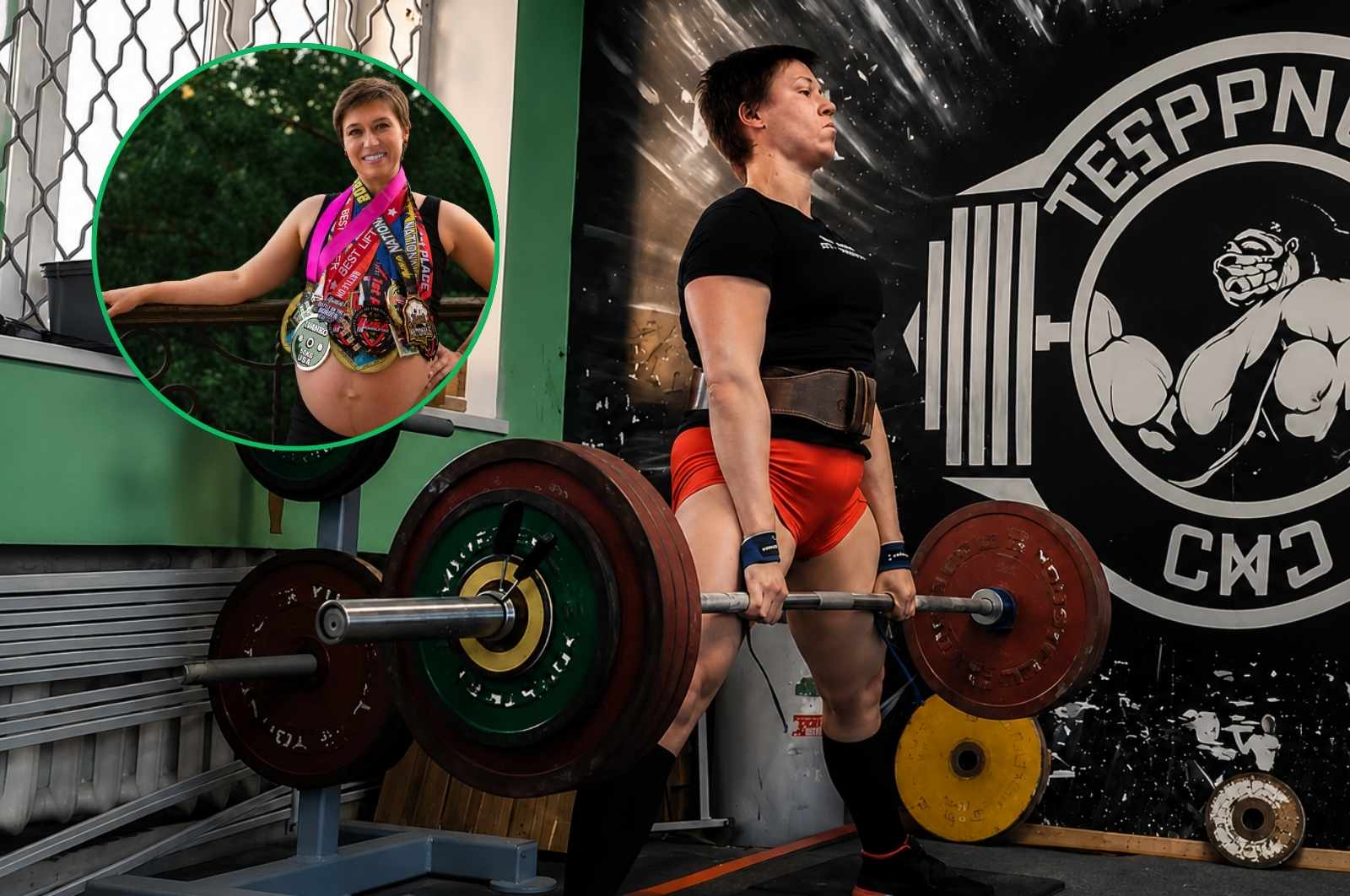
Then he flew to Mexico City, walked into a gym at altitude, and hit 80 kilos on the bench for the first time in over a year and a half. A two-year personal record, after the week he was sure had wrecked him.
The reason this keeps happening is that most people are watching the wrong number. Calories, not grams of protein, are the thing that quietly does the work.
The 2025 position paper from the Academy of Nutrition and Dietetics puts it plainly: appropriately planned vegan diets can be nutritionally adequate for adults.
Their earlier review went further on this exact point. Vegan diets typically meet or exceed protein needs when calorie intake is adequate, and the old idea of plant proteins being incomplete is misleading.
So when Marton was eating enough to fuel hikes, he was almost certainly eating enough protein too. His fellow traveler, vegan for 35 years, said it better than any study: the real challenge would be trying to build a plant-based diet low in protein once you are getting enough calories.

This is where the reference story stops and the science gets genuinely interesting. Marton built muscle. The obvious follow-up question is whether that was luck or biology.
Muscle growth hinges on a threshold most people have never heard of. You need roughly 2 to 3 grams of leucine in a meal to fully switch on muscle protein synthesis, the so-called leucine threshold.
Plant proteins do carry slightly less leucine per gram than animal proteins, around 6 to 8 percent versus 8 to 11 percent. That gap is the entire basis of the panic, and it is smaller than it sounds once portions enter the picture.
A set of 2024 modeling studies tested this directly. When researchers scaled completely plant-based diets to the calorie needs of male bodybuilders, football players, and rugby players, every group cleared both the protein and the leucine targets for maximum muscle gain. You can read the bodybuilder study in full at the National Library of Medicine.
The catch is portion size. Plant eaters generally need larger servings, think 30 grams of protein or more per meal, to land the same anabolic signal. Bigger plates, not protein powder.
Costa Rica makes that easy without anyone trying. Rice and beans together cover a wide amino acid spread, tofu and soy milk are leucine-dense, and the local plate is built around exactly the foods a lifter would choose on purpose.
None of this means protein is automatic everywhere. It means the fix is boring and reliable, which is good news when you are tired and far from home.
Eat to your hunger, then a little past it. Undereating, not plant food, is what leaves people short. The longtime vegan in the video never counted a calorie in 35 years.
Anchor one soy-based meal a day. Tofu, tempeh, soy milk, or edamame reliably push you over the leucine line when the rest of the day is patchy.
Treat beans and grains as the base, not the side. Gallo pinto exists in some form almost everywhere, from Costa Rican sodas to Mexican comedores to Indian dal and rice.
Carry one backup. A bag of roasted chickpeas or peanuts turns a fruit-and-tea lunch into something that actually holds you over.
If you want a deeper bench of destinations where this is effortless, our roundup of the top vegan-friendly cities in the world for 2026 is a good place to plan from.
Yes. As long as you eat enough total calories and include leucine-rich foods like soy, plant-based diets meet the protein and leucine targets shown to maximize muscle gain in trained athletes.
No. Marton skipped powders and bars for the whole week and still set a personal record. Whole foods like beans, tofu, and grains did the job.
It is one of the easier ones. The national dish is rice and beans, soy products are common, and vegan hotels and cafes are widespread, so high-protein plates are the default rather than a special request.
The thing that stays with me is how much energy we spend worrying about a problem that mostly is not there. I have done the mental math on a hiking trail too, totting up grams while the actual answer was just to eat more lunch.
Costa Rica did not teach Marton a trick. It removed a fear, and the personal record was waiting underneath it the whole time.
If you are curious about eating this way but the logistics feel daunting, that fear is the part worth letting go of first. Our guide on how to start a vegan lifestyle without feeling overwhelmed is a gentle, no-pressure place to begin.
Grocery list included!
No spam. Cancel anytime.